
Designing and building a large-scale aquarium is about far more than water, glass and concrete. It requires a careful balance of storytelling, animal welfare, operational functionality and guest experience, all delivered within environments that must perform reliably for decades. At Georgia Aquarium, the largest aquarium in the western hemisphere, that level of complexity has shaped a long‑standing relationship between the passionate team overseeing facility operations and the equally dedicated team at Nassal, grounded in a shared commitment to creating immersive habitats that support both animals and people.
Since the early 2000s, Nassal has partnered with Georgia Aquarium on a wide range of projects, from the facility’s original construction to more recent exhibits. Ongoing collaboration has resulted in several of Georgia Aquarium’s most recognizable spaces, with Nassal delivering themed environments that support storytelling while standing up to the demands of a high‑traffic facility.
“These aren’t just exhibits to look at,” said Kevin Rogers, a project manager at Nassal. “They’re environments that animals live in every day, and spaces where staff work constantly. That responsibility shapes every design and construction decision we make.”
Over time, Nassal has remained a trusted collaborator, delivering themed environments and rockwork that bring marine ecosystems to life.
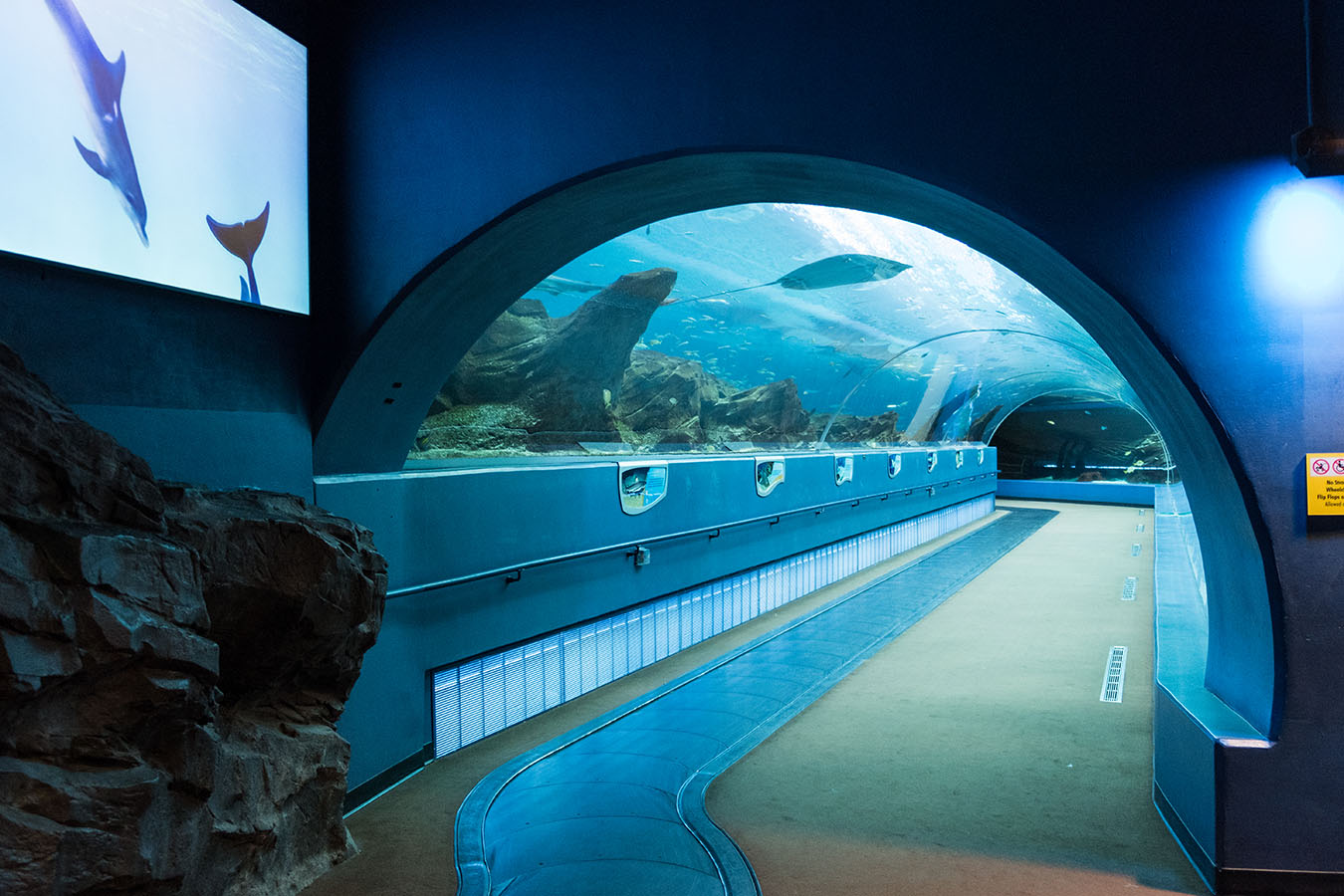
Among Nassal’s more iconic projects is the Ocean Voyager built by the Home Depot, home to the aquarium’s largest exhibit and some of its most famous marine life, including a whale shark. Nassal created and installed large-scale themed fabrication and scenic rockwork within the gallery, carefully integrating immersive elements into one of the most technically complex spaces in the facility.
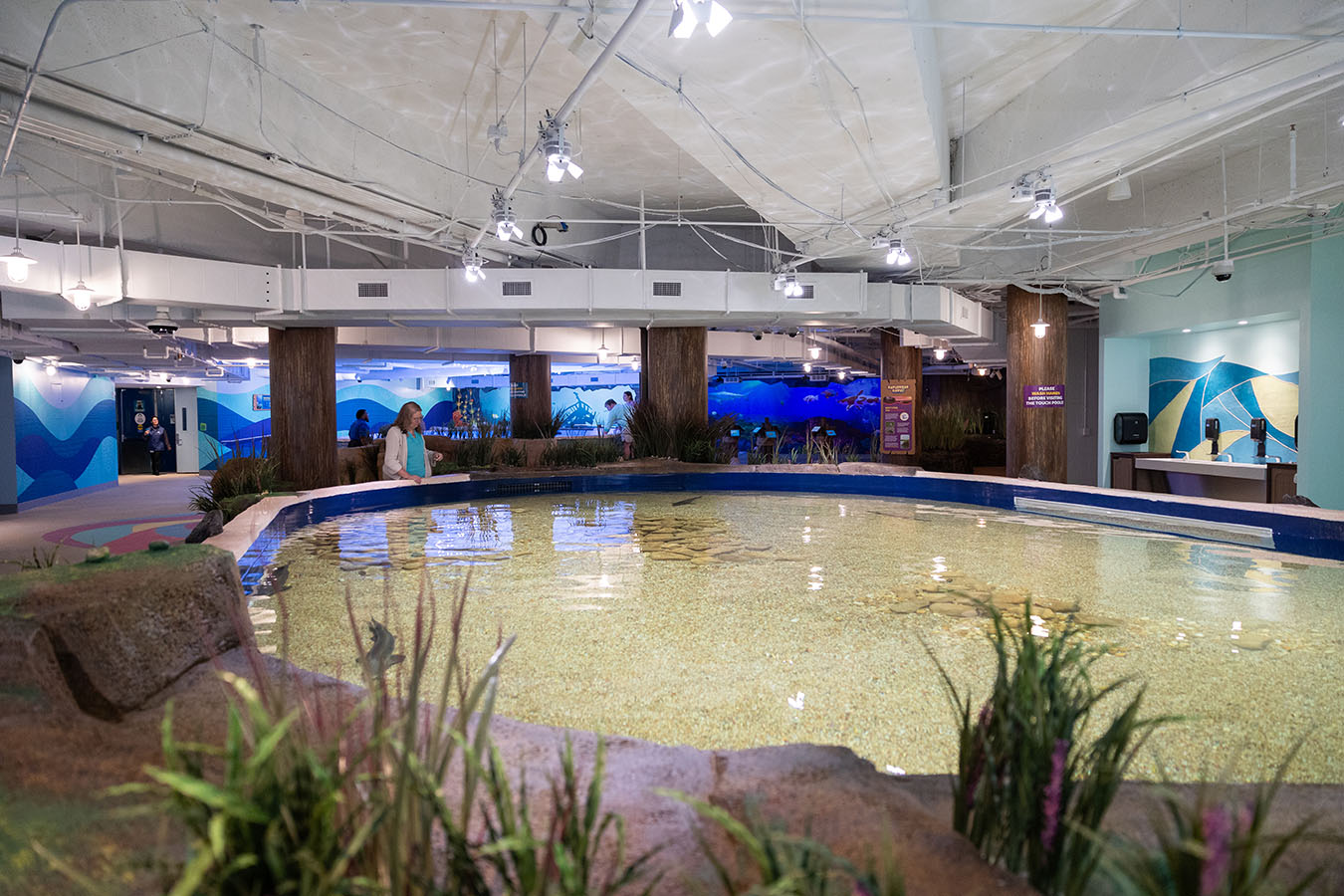
At Explorers Cove, Nassal helped create an interactive, hands-on environment designed to bring guests closer to marine animals while maintaining durability and operational performance, an approach that aligns with evolving visitor expectations for immersive experiences.
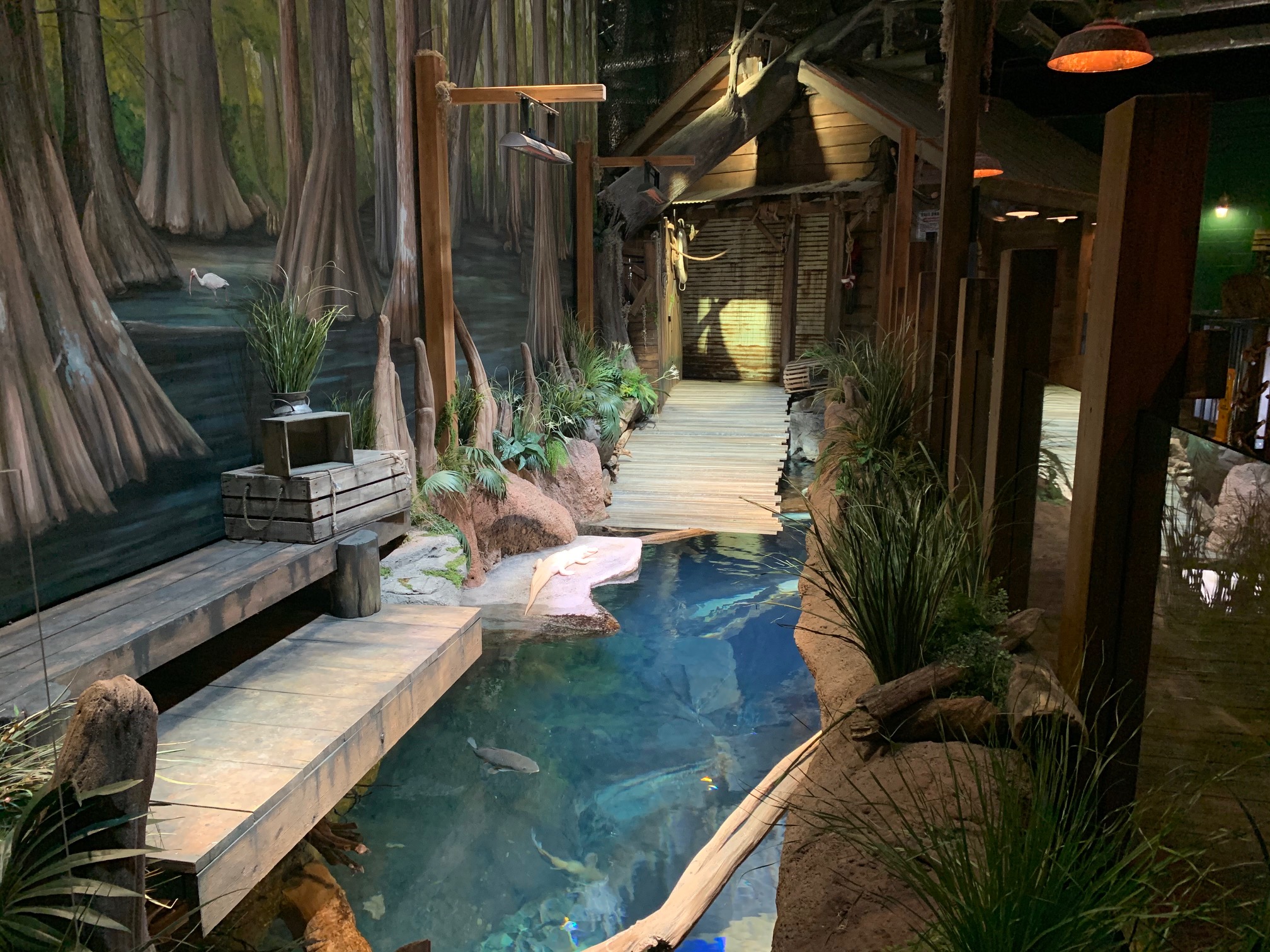
Additional projects include Dolphin Coast presented by Margaritaville Vacation Club by Wyndham, where Nassal supported a refreshed, cohesive coastal environment, and Gator Crossing, which blends detailed theming with functional elements that support animal care and guest viewing.
“Aquarium projects demand specialized expertise, particularly when it comes to creating environments that perform reliably below the waterline,” said Stephen Dodson, Nassal’s Rockwork Operations Director. “You’re building immersive environments, but everything you do has to support animal welfare, durability and long-term performance.”
Dodson has been involved with Georgia Aquarium projects since its earliest days and has seen that expertise evolve alongside the facility itself. Over time, Nassal has refined material and processes to meet new demands, applying lessons learned not only at Georgia Aquarium, but across aquatic projects worldwide. New tools, materials, and a deeper understanding of animal behavior have influenced how habitats are shaped, textured and constructed.
“Our approach has always been to learn from each project and keep improving,” Dodson said. “Every aquarium teaches you something new.”
For the Georgia Aquarium team, conservation and education are not add-ons; they are foundational principles that guide every project decision. That mission-driven mindset sets the tone for how exhibits are planned, designed and ultimately brought to life, and it shapes how project partners are selected and engaged.
“The goals of conservation and education have to be built into the project from the start,” said Hart Gates, Project Manager, Exhibits and Projects at Georgia Aquarium. “They can’t just be layers you add at the end. What matters most is whether what we’re building tells the right story and supports both the animals and helps the guests connect with our mission.”
Through decades of collaboration, Nassal has developed a deep understanding of those priorities.
“We really see ourselves as storytellers,” said Michael Lewis, Vice President of Exhibits and Projects at Georgia Aquarium. “We use physical space to tell stories about these animals, their habitats, and how people can be part of protecting them. The experience should inspire curiosity, empathy and ultimately a call to action.”
Those goals place unique demands on every project partner involved, especially those responsible for building the environments animals inhabit every day.
After more than two decades of working together, Nassal and Georgia Aquarium continue to approach each project with a shared definition of success.
From Nassal’s perspective, the longevity of the partnership has been shaped by early involvement and a willingness to work side by side with managers, architects and animal care teams.
“Nassal’s partnership with Georgia Aquarium has lasted because we’re brought in early and allowed to collaborate with all parties,” said Rogers. “That early coordination helps us understand animal needs, staff operations and guest experience all at once. It allows us to work through challenges before construction even begins.”
That collaborative approach has proven especially valuable in an active aquarium setting, where animal sensitivity and visitor access all influence how work is planned and executed.
From the aquarium’s standpoint, Nassal’s attention to detail and focus on collaboration sets them apart.
“There’s a level of trust that comes from knowing Nassal understands what the whole team is trying to accomplish,” said Gates. “They don’t just execute a scope, they ask questions, flag concerns and help problem-solve. That shared responsibility makes the relationship feel like a true partnership.”
Together, Nassal and Georgia Aquarium continue to prove that thoughtful collaboration can shape environments that endure, supporting animal care, inspiring guests and bringing meaningful stories to life.

.svg)