
Designing and building world-class zoos and aquariums requires more than creative concepts and technical expertise. It takes collaboration among teams that understand how to transform ambitious ideas into environments that serve animals, engage guests and meet an owner's operational goals.
Nassal, a specialty contractor and fabricator known for creating themed and immersive environments, and PGAV Destinations, an experience design firm specializing in attractions and exhibits, have worked on zoos and aquariums across the United States for decades. Together, they have collaborated on projects ranging from major new-build destinations like the Mississippi Aquarium to targeted exhibit enhancements at the Georgia Aquarium, as well as projects such as Heart of Africa at Columbus Zoo & Aquarium and Antarctica: Empire of the Penguin at SeaWorld Orlando.
While both organizations regularly work with a wide range of owners, designers, contractors and specialty firms, their long-standing relationship highlights a broader lesson for the industry: when the right partners are brought together early and communicate openly, teams are better positioned to protect design intent, manage complexity and deliver experiences that work for guests, animals and operators alike.
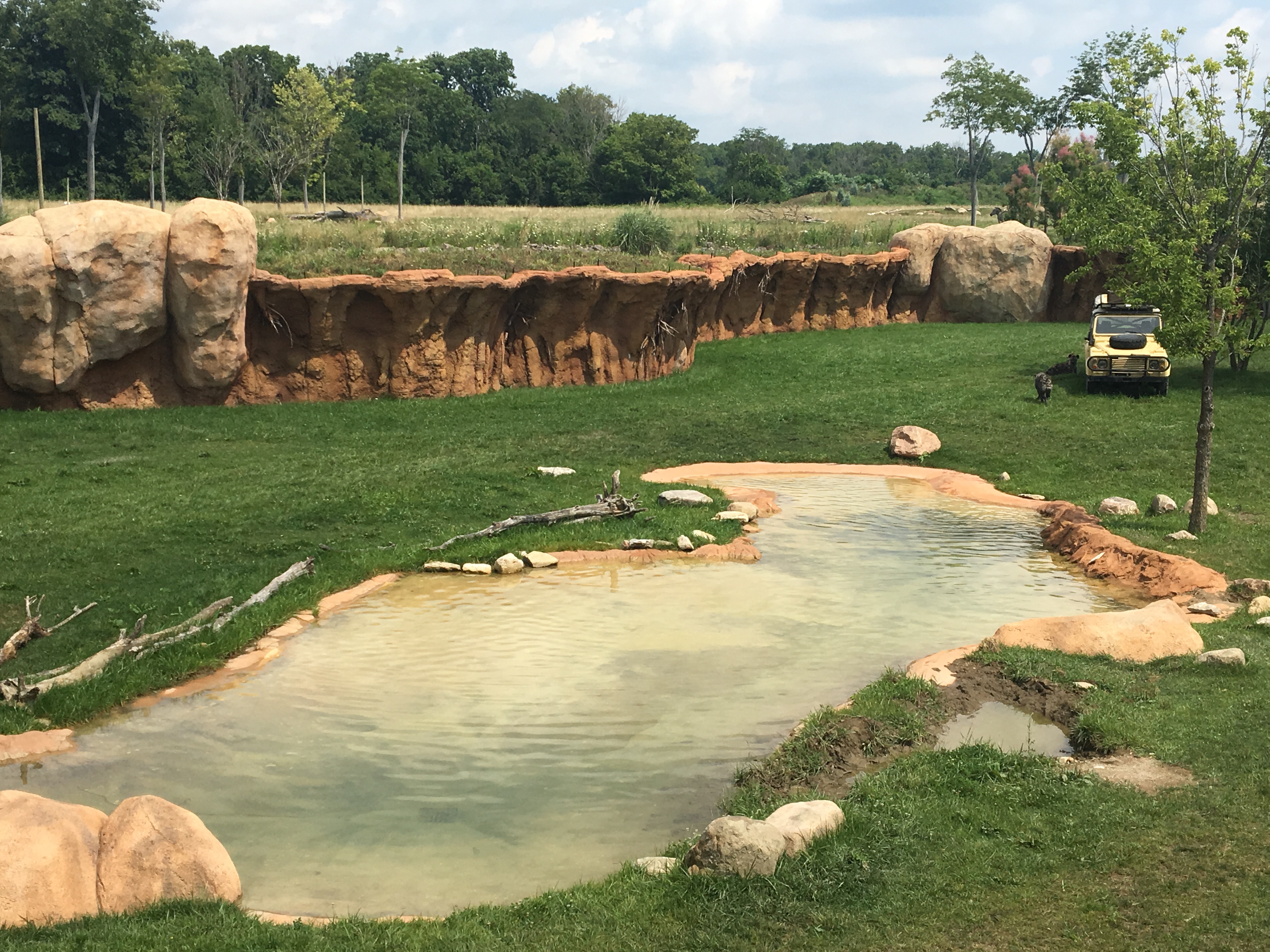
The relationship between designers and fabricators is collaborative. When fabricators are involved early, they can provide input on production techniques, installation requirements and cost impacts before key design decisions are locked in. Designers take this input into account and help balance the creative and practical goals. At the same time, fabricators and general contractors develop a deeper understanding of the project goals and design intent. This ensures that all team members are working toward the common goal.
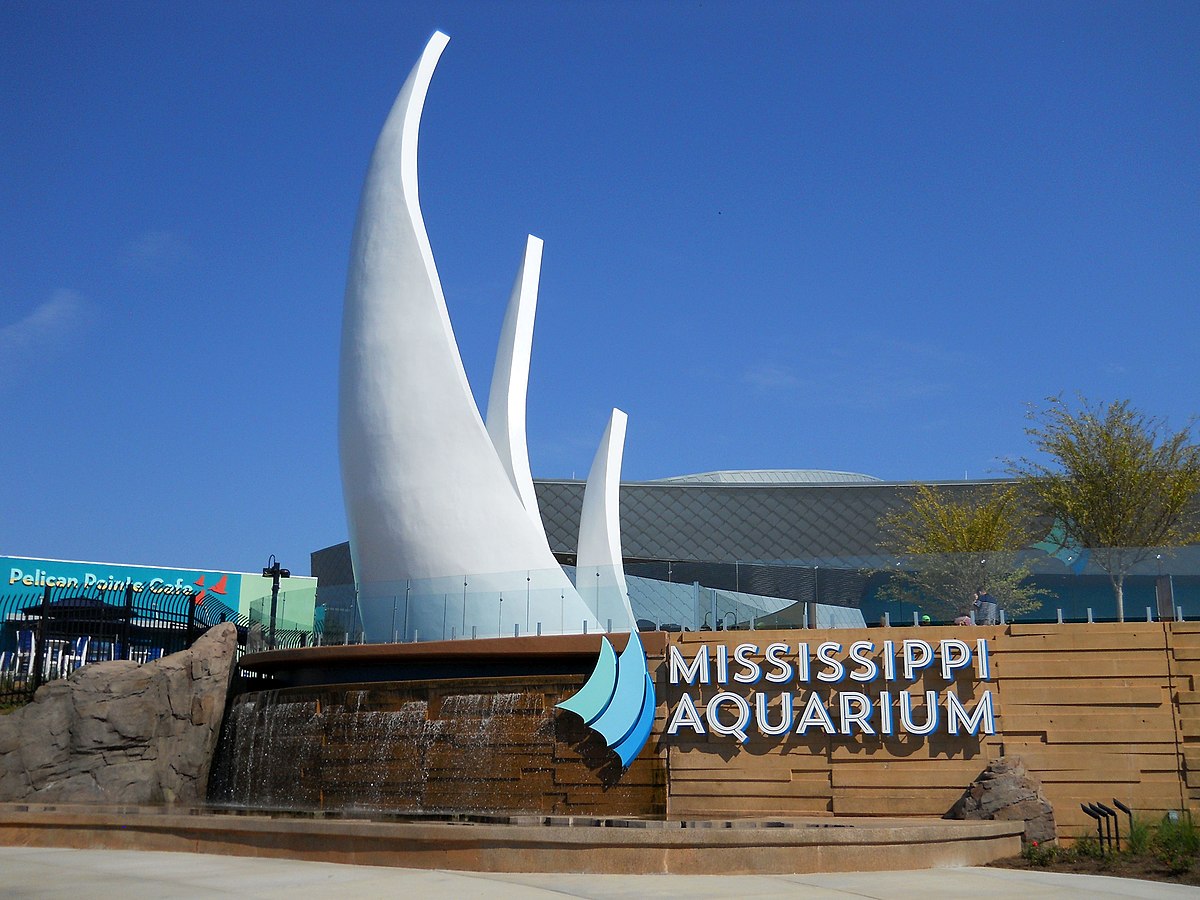
That collaborative approach was especially important on Mississippi Aquarium, a new facility located along the Mississippi Gulf Coast that PGAV designed and Nassal fabricated multiple scopes for. The project required close coordination across numerous specialized systems, including life support infrastructure, acrylic viewing panels, animal habitats, rockwork and aviary environments. For Emily Howard, Principal at PGAV, those layers of complexity underscore why designers and builders need to have practical conversations early.
“Aquariums have so many pieces that all have to work together,” says Howard. “Early coordination helps us make sure each design decision supports the guest experience, the animals and the owner’s budget.”
For Mississippi Aquarium, that coordination helped the project team balance ambitious storytelling, complex habitat requirements and a challenging coastal site. By bringing fabrication and construction expertise into conversations early, the team could evaluate design concepts for feasibility, long-term performance, and cost implications, helping reduce the potential for changes and unforeseen costs during construction.
The result was a destination that not only tells the story of Mississippi's coastal ecosystems, but one that was designed with a clear understanding of how its exhibits, habitats and guest experiences would ultimately be built and maintained.
The Nassal-PGAV relationship spans decades and numerous projects. That history has created what Michael Shearin, senior design director with Nassal, describes as a professional shorthand.
“There is a harmony that develops when teams have worked together for years,” says Shearin. “When we take on a project together, we know that PGAV can focus on the critical parts of the visitor experience and design intent, while Nassal can help inform materials, fabrication methods, structural needs and integration details early in the process.”
That does not mean every project follows the same formula. Instead, it means the teams can ask better questions earlier: How will a scenic element attach to the building? What will it weigh? How will media, graphics, lighting or AV equipment be integrated later? Where can a slight adjustment save time or reduce cost without compromising the experience?
From PGAV's perspective, one of the greatest benefits of a long-term fabrication partner like Nassal is having a team that understands not only the design intent, but also how to translate that vision into a buildable, maintainable environment. Long-term relationships help teams understand not only how a partner works, but also what information they need to make better decisions.
“As you continue to work on projects and with similar partners and clients, you understand the way they think and the way they work,” says Tom Marschner, Principal at PGAV. “The more you work together, the easier it can be to get to the right outcome.”
At PGAV, those conversations often begin before a design is fully developed. Designers may test ideas with trusted fabricators, asking whether a concept is feasible, whether a different material or method could work better, or whether an idea aligns with the owner’s budget.
“We can share what we’re thinking and ask, is there another way to do this that still achieves the goal but saves dollars or makes construction easier?” says Howard. “It’s all about designing something impactful and beautiful, while still meeting the owner’s goals and budget.”
For Shearin, that early collaboration translates directly into value for owners. When fabrication teams are involved early, potential integration challenges can be identified before construction begins. Media elements, graphics, lighting, structural support requirements and maintenance access can all be accounted for during design rather than becoming field issues later.
“The owner ultimately gets a higher-quality product and more value from their budget,” says Shearin. “More of the project’s resources can go into the guest experience and the finished environment rather than redesigns or rework or anything like that.”
For owners, that collaboration creates greater confidence that design intent, constructability and budget remain aligned throughout the project.

Few facilities better illustrate the value of continuity than the Georgia Aquarium, where Nassal and PGAV have partnered on numerous projects over many years. Many of these projects have not been major capital expansions, but strategic exhibit enhancements and improvements that help the facility continue evolving for guests, animals and staff.
That work requires teams to navigate the realities of an active aquarium environment. Guest circulation, animal welfare, operating schedules, noise, vibration, access and phasing all must be considered before work begins.
“Working in an active aquarium is always about how they stay open,” says Shearin. “You have to take into account guest flow, existing animals, noise, vibrations and how construction activities might affect them.”
In those environments, long-term partnerships can be especially beneficial. Familiarity allows teams to spend less time navigating process and more time focused on solutions. It also supports better coordination with the many stakeholders involved in aquarium work, from design and fabrication teams to operators and animal care staff.
By bringing those voices together early, project teams can create environments that perform just as well behind the scenes as they do for visitors.
Across the zoo and aquarium industry, owners continue to balance ambitious guest experiences with evolving expectations around animal welfare, operational efficiency and budget stewardship. As projects become more immersive and technically complex, the pressure to deliver distinctive experiences while minimizing risk has only increased.
That's one reason collaboration has become so valuable. Early coordination between designers, fabricators, and operators helps teams evaluate cost, constructability and operational impacts at the same time they are developing the guest experience, allowing for more informed decisions throughout the project lifecycle.
When designers, fabricators and owners come together early, collaboration becomes more than a project delivery strategy. It becomes a way to reduce uncertainty, improve coordination and make better decisions throughout the life of a project.
For owners, that can mean fewer redesigns, better alignment between vision and execution, greater confidence in project budgeting and a smoother path from concept to completion. For guests, animals and staff, it results in environments that perform as intended from opening day forward.
“In the end, we all want the same goal: a successful project that is great for the animals, great for the visitor and great for the client," says Marschner. "The better the relationship and the more open the communication, the smoother the project will go.”
In an industry where every project carries unique operational, experiential and animal care considerations, those outcomes may be the most valuable result of all.

.svg)